Read the Book Itself
Examine bindings, title pages, editions, typography, paper, and other physical evidence to understand how a book was produced and described.

Book Anatomy
Edition Comparison
Publication Details
Physical Evidence
Look Beyond the Cover
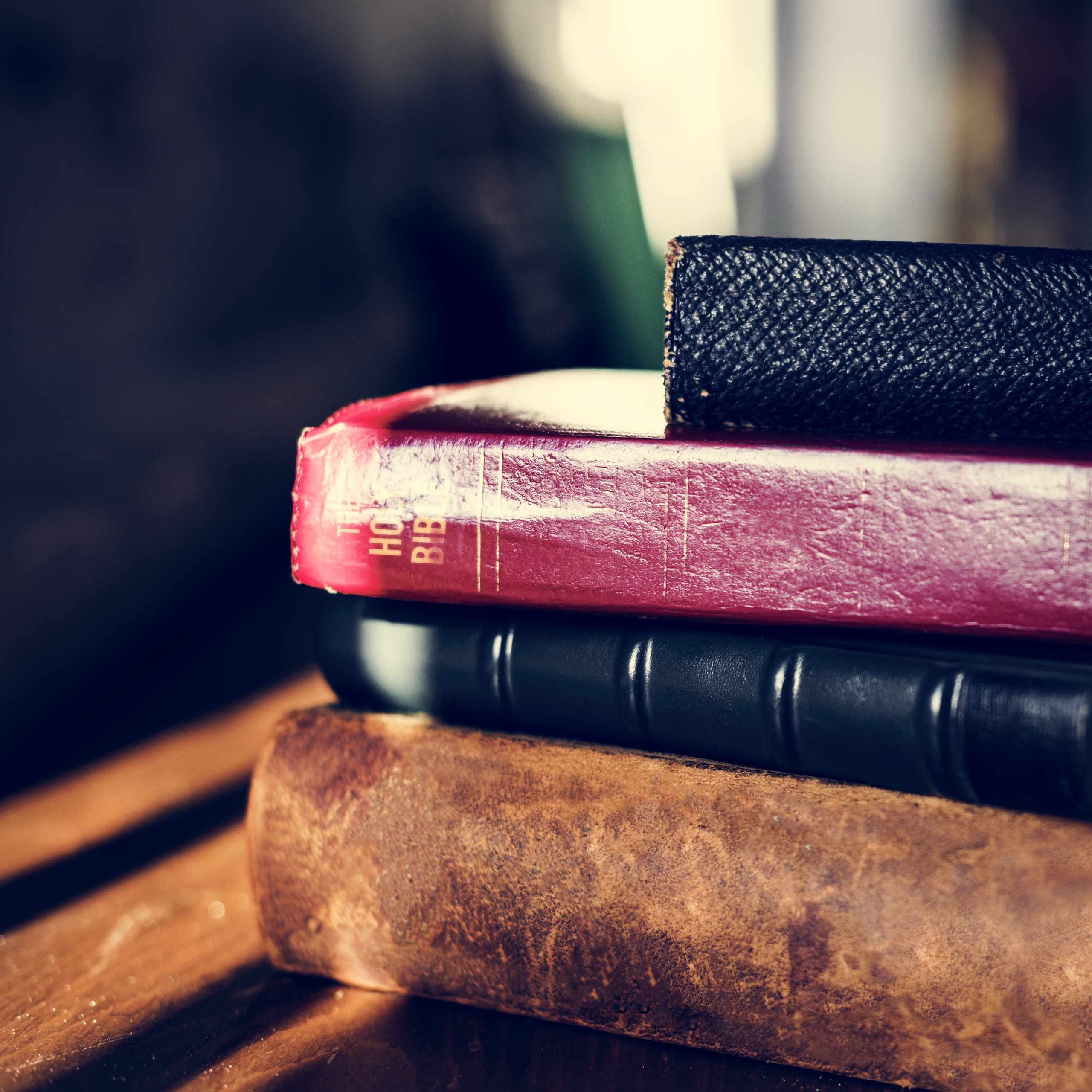
A book contains clues in its spine, text block, endpapers, title page, copyright page, typography, and pagination. Practice noticing these features, naming them accurately, and separating direct observation from assumptions about publication history.
A Method for Careful Looking
See how observation, terminology, and comparison shape bibliological study.
What You Learn to Notice
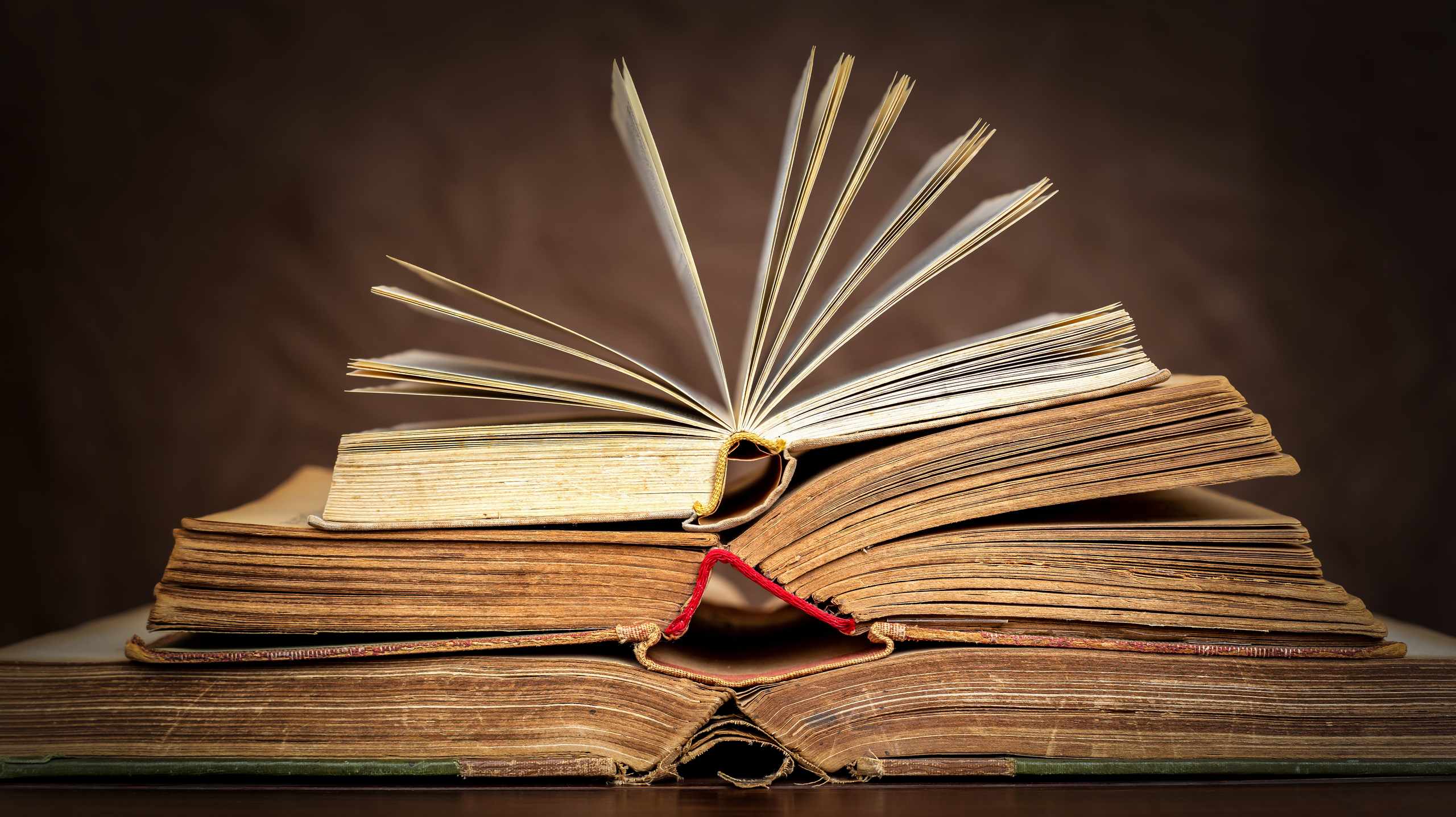
Work with ordinary physical books to develop a repeatable examination process. Each comparison connects terminology to visible details instead of relying on vague impressions.
Identify boards, spine, text block, endpapers, half title, title page, and other structural parts while learning which terms describe each feature precisely.
Compare title-page data, edition statements, pagination, typography, and illustrations before deciding whether two books represent different editions or later printings.
Record observable details such as binding, paper, colophon, running heads, signatures, and page layout while keeping unsupported guesses separate from the description.